
Major spoiler warning. This article discusses the story from A Realm Reborn through Dawntrail, including character deaths and expansion endings.
The first time, I played Final Fantasy XIV to reach the endgame. The second time, I played it to understand the people I'd grown attached to. The third time, I made the Warrior of Light look as much like me as possible, because by then I didn't just want to watch his story. I wanted to put myself into it.
Final Fantasy XIV is not a short game. Going through its Main Scenario Quest while actually reading the dialogue and watching the cutscenes can take hundreds of hours. Somehow, I have gone through that journey three times. But strangely enough, I did not fall in love with FFXIV at the beginning. I started playing before the release of Endwalker, when Shadowbringers was still the current expansion. At first, I barely cared about the story. I skipped dialogue, skipped cutscenes and mostly wanted to reach the endgame.
That changed when I reached Shadowbringers.
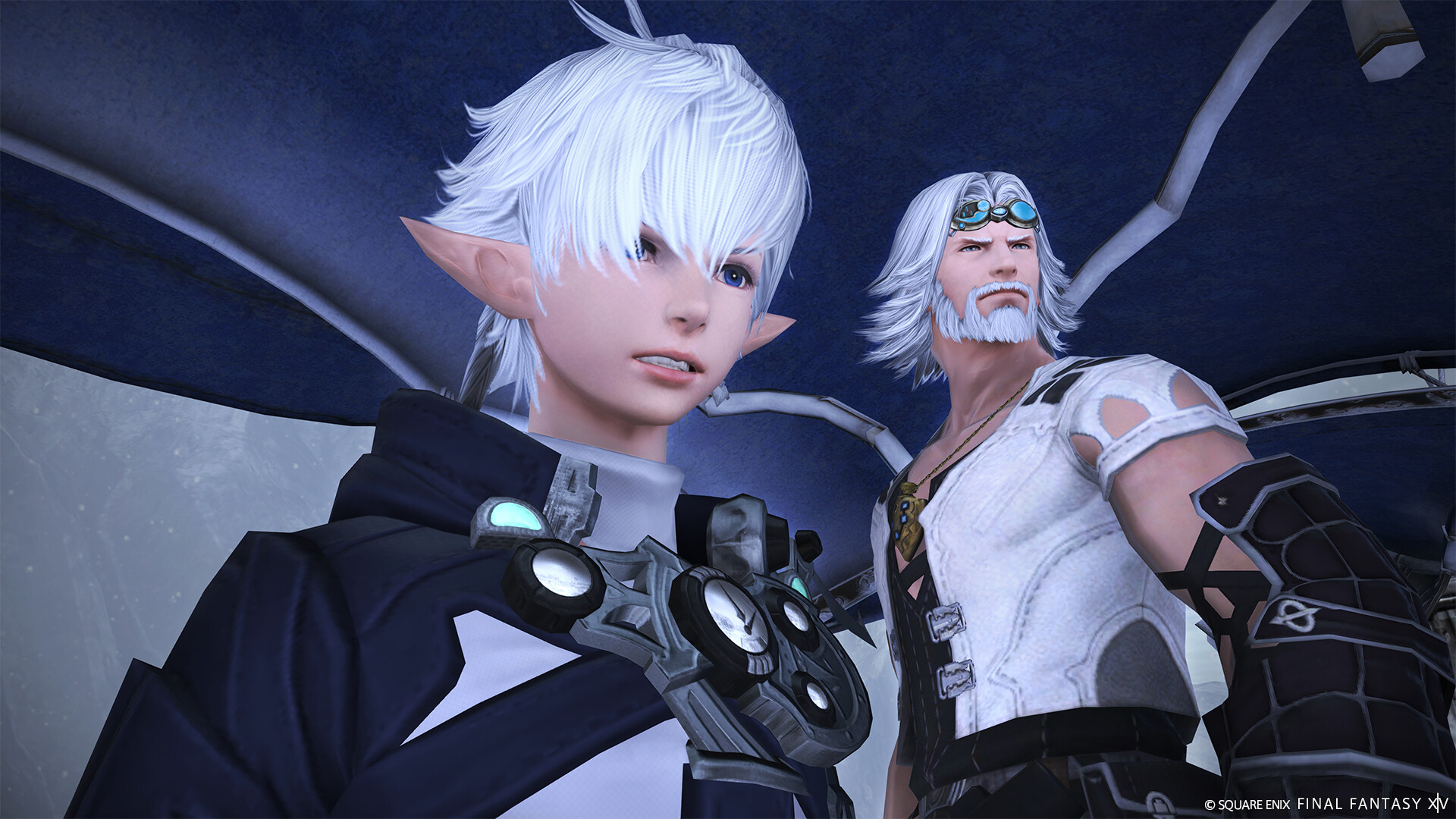
The expansion that made me stop skipping
Shadowbringers was the moment when the story became so magnetic that I simply couldn't skip anymore. Suddenly I wanted to know who these characters were. I wanted to understand why they cared about each other and, perhaps more importantly, why they cared so much about my Warrior of Light. That was one of the things FFXIV did incredibly well for me. The story constantly deals with cooperation, trust, compassion and people continuing forward even when everything seems hopeless. The Scions stop feeling like NPCs standing around waiting to give you quests. They become people who genuinely care about you.
One of the strongest examples is the Warrior of Light slowly breaking under the amount of Light absorbed throughout Shadowbringers. Everyone around you realizes something is seriously wrong, and for once the legendary hero who has solved everyone else's problems cannot simply fix this one. Watching the others stand there almost helplessly, desperately trying to find some way to save you, made the entire group feel real to me.
There is sacrifice, desperation and the feeling that everything may finally have gone too far. And yet, somehow, you come out victorious. That is something Final Fantasy XIV does better than almost any game I have played. It can take you through incredibly dark moments without losing its belief in hope. For some people it may just be an MMO story. For me, FFXIV was also the kind of game that could genuinely lift me up during some of the worst periods of my life.
Going backwards: experiencing A Realm Reborn as a prequel
So how did I manage to play through this enormous story three times? My first playthrough was strange. I essentially skipped most of the game until Shadowbringers, then played the story properly from there and eventually continued through Endwalker. Afterwards, I created another character because I wanted to know the Scions from the beginning. In a bizarre way, A Realm Reborn became a prequel for me. I already knew where these people would eventually end up. Now I wanted to see how everything started.
And I honestly think that helped me survive ARR. People will probably consider it heresy to say that skipping the beginning actually helped me appreciate it later, but the circumstances mattered. Going into A Realm Reborn completely blind can be rough. It is slow. Very slow. At times it feels determined to turn every simple objective into an entire afternoon of errands. But when you already know and care about the characters, it changes.
Instead of wondering why I should care about these people, I was waiting for familiar faces to appear. I wanted to see their earlier relationships, personalities and mistakes. And despite all my complaints about ARR's pacing, its ending is fantastic. The events surrounding Nanamo, the betrayal in Ul'dah and the collapse of everything that seemed stable finally give the story some real urgency. The Ultima Weapon consuming primals is also one of those ideas that immediately makes the stakes feel much larger than the fetch quests that came before it.
ARR takes far too long to get there, but when it finally gets moving, you can already see what FFXIV is capable of becoming.
Heavensward fixes the pacing almost immediately
Then comes Heavensward. For me, the pacing improves dramatically. Suddenly there are dragons, castles, ancient grudges, religion, political conflict and a genuinely medieval atmosphere. Compared with much of A Realm Reborn, it feels like the game has finally decided to move. The conflict surrounding Shiva and Ysayle was especially memorable. Ysayle's story, and eventually her death, hit me surprisingly hard. Heavensward also gives more room to characters such as Y'shtola, Matoya and Krile while expanding the world far beyond what ARR originally established.
It was the first expansion outside Shadowbringers where I felt that same pull again. I wanted to keep going because I needed to know what happened next.
Stormblood and getting to know Alisaie
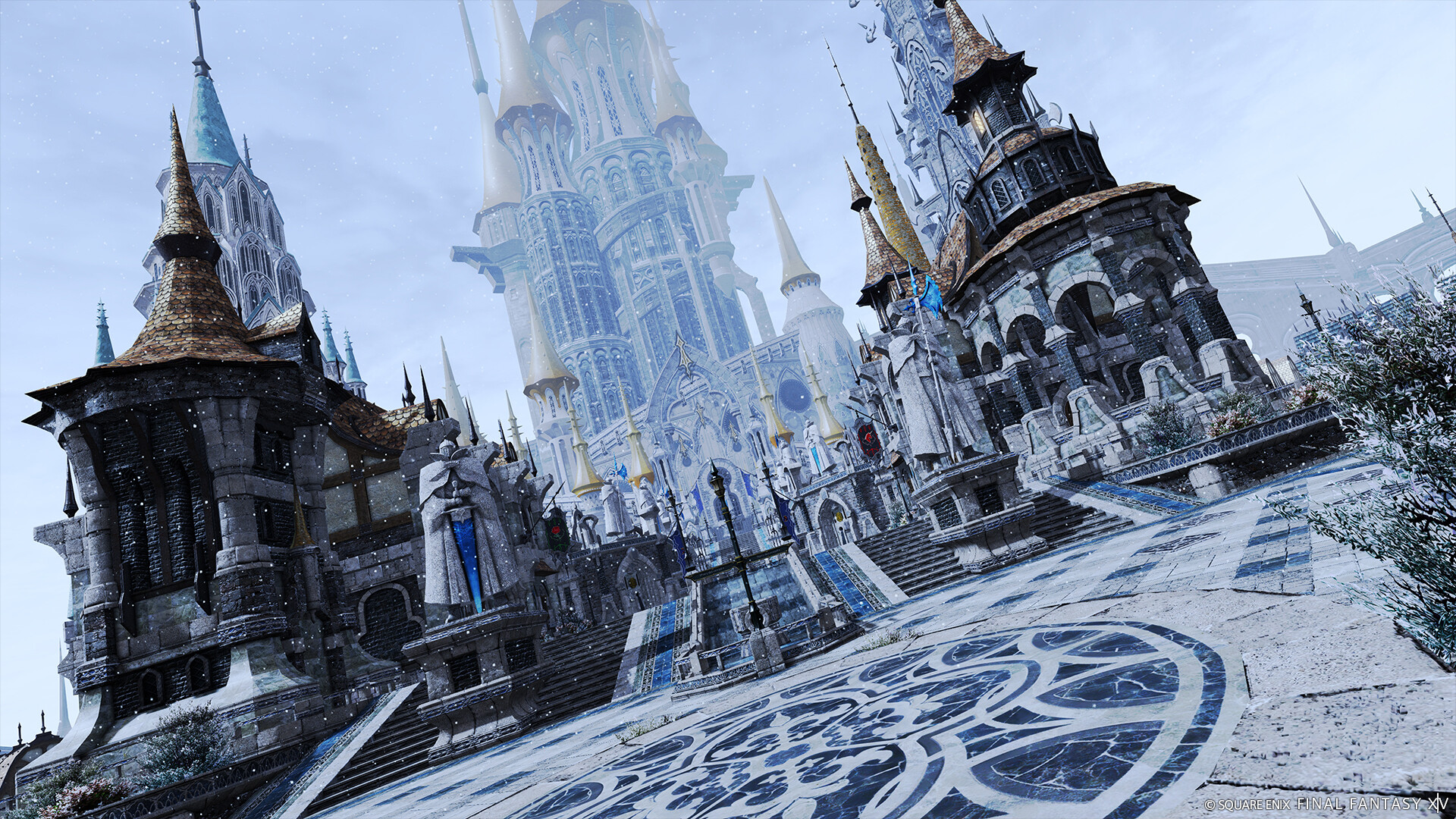
Stormblood shifts the story toward war and liberation, while also taking us into areas heavily inspired by East Asian cultures. It has a very different atmosphere from Heavensward. Instead of ancient dragons and Ishgardian castles, much of the story revolves around occupied nations, resistance movements and people trying to take their homes back. It is also where I really started paying attention to Alisaie. You begin seeing just how much she cares about the Warrior of Light. She worries about you, looks up to you and clearly wants to become strong enough to stand beside you rather than simply watch from the sidelines.
That relationship became one of my favourite parts of the game. Stormblood also does something I love when stories manage to pull it off: it introduces characters in a way that makes you believe you already understand them, then slowly makes that judgment much less comfortable. Yotsuyu is probably the clearest example. At first, the game gives you every reason to hate her. Later, it forces you to understand the circumstances that helped create the person she became.
Understanding someone is not the same as excusing what they did, but that distinction makes her story much more interesting.
Endwalker: the beginning of the end
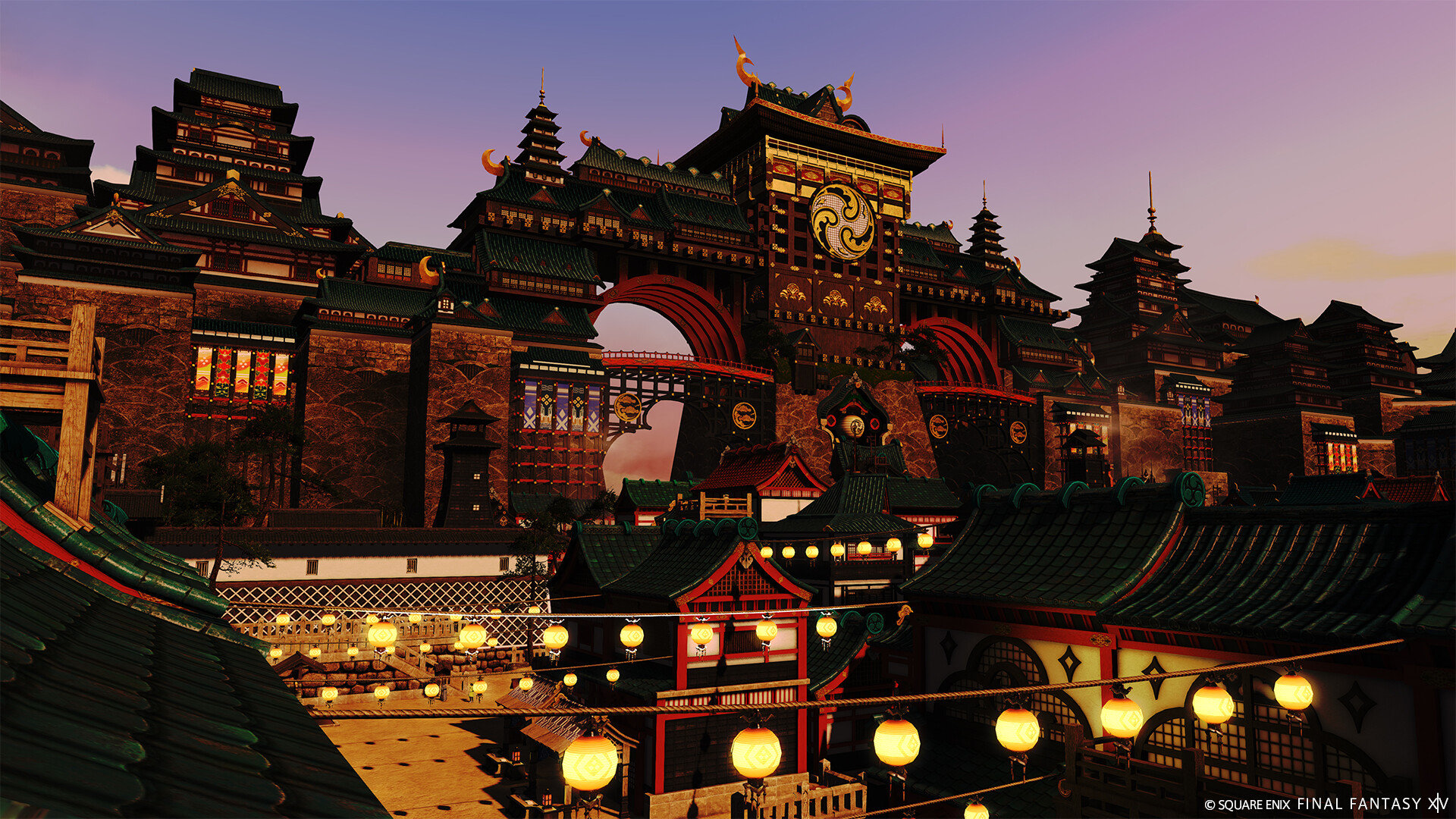
And then there is Endwalker. The conclusion to a story that had been built over many years. For me, the overwhelming feeling throughout Endwalker was that I was watching the beginning of the end. After years of wars, mysteries and unanswered questions, everything was finally moving toward a conclusion. For the first time we properly enter Garlemald, and what we find there is not simply an empire full of faceless enemies.
We see broken people. Fear. Distrust. Propaganda. People who have spent so long believing that we are their enemy that some would rather die than accept help from us. There was something deeply sad about it. We had technically come to help, but years of manipulation and hatred could not simply disappear because the Warrior of Light walked into the room and said, "trust me." Then Endwalker starts answering questions that had existed for years.
Hydaelyn. Zodiark. The Ancients. The Final Days. Our journey into the past. And Meteion. The scale of the story becomes enormous, but what stayed with me was not simply that the world might end. It was the tragedy surrounding the knowledge that entire civilizations can disappear. That everything people built, loved and believed in can eventually vanish. Meteion's journey confronts us with worlds that searched for meaning and ultimately failed to find it. Civilizations reached different conclusions about existence, but again and again they arrived at despair.
And yet humanity continues. That is probably the part of Endwalker I find hardest to describe. It is tragic fantasy on an enormous scale: knowing that terrible things will happen, knowing that people and civilizations will be lost, and still carrying the irrational belief that perhaps things can somehow turn out differently. But isn't that human nature? Even when every piece of evidence tells us that something is hopeless, some part of us still says:
Maybe. Maybe there is another way. Maybe tomorrow will be different. Maybe we can still save someone. Endwalker takes that tiny, stubborn instinct and turns it into the answer to despair itself. And after spending so many expansions watching these characters struggle together, seeing the story finally reach that point made the ending feel earned. Then, of course, there is Zenos. After saving existence itself, you end up at the edge of the universe settling things with this absolute lunatic one last time.
And somehow it works.
Dawntrail made me feel like a supporting character
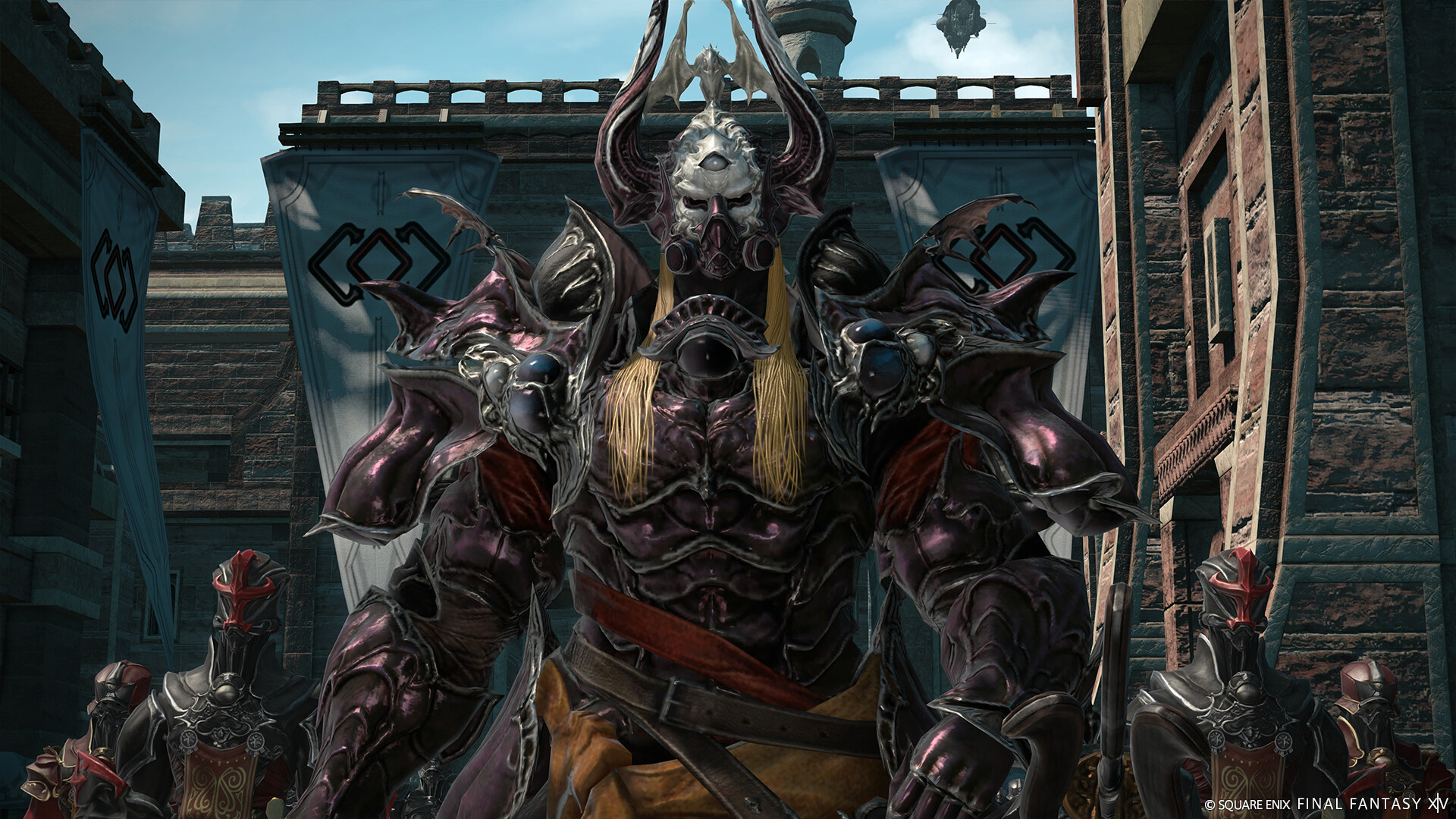
Unfortunately, Dawntrail is where the experience fell apart for me. After Endwalker spent years building the Warrior of Light into someone people trusted when the entire world was ending, Dawntrail suddenly pushes us into the background. I understand the intention. The previous saga was finished. The game needed to lower the stakes, introduce new characters and begin something new. But understanding that decision did not make me enjoy it.
For much of Dawntrail I felt less like the protagonist and more like an extremely overqualified babysitter. After fighting Zenos at the edge of existence, confronting Meteion and helping save the world, I suddenly felt as though I had purchased an expansion in which everyone politely asked me to stand several metres behind the actual main character. It was jarring. One of the reasons I loved Shadowbringers and Endwalker was that the Warrior of Light mattered not just because we were powerful, but because our relationships with these characters had been built over years.
Dawntrail deliberately stepping away from that dynamic may work for some players. For me, it did not.
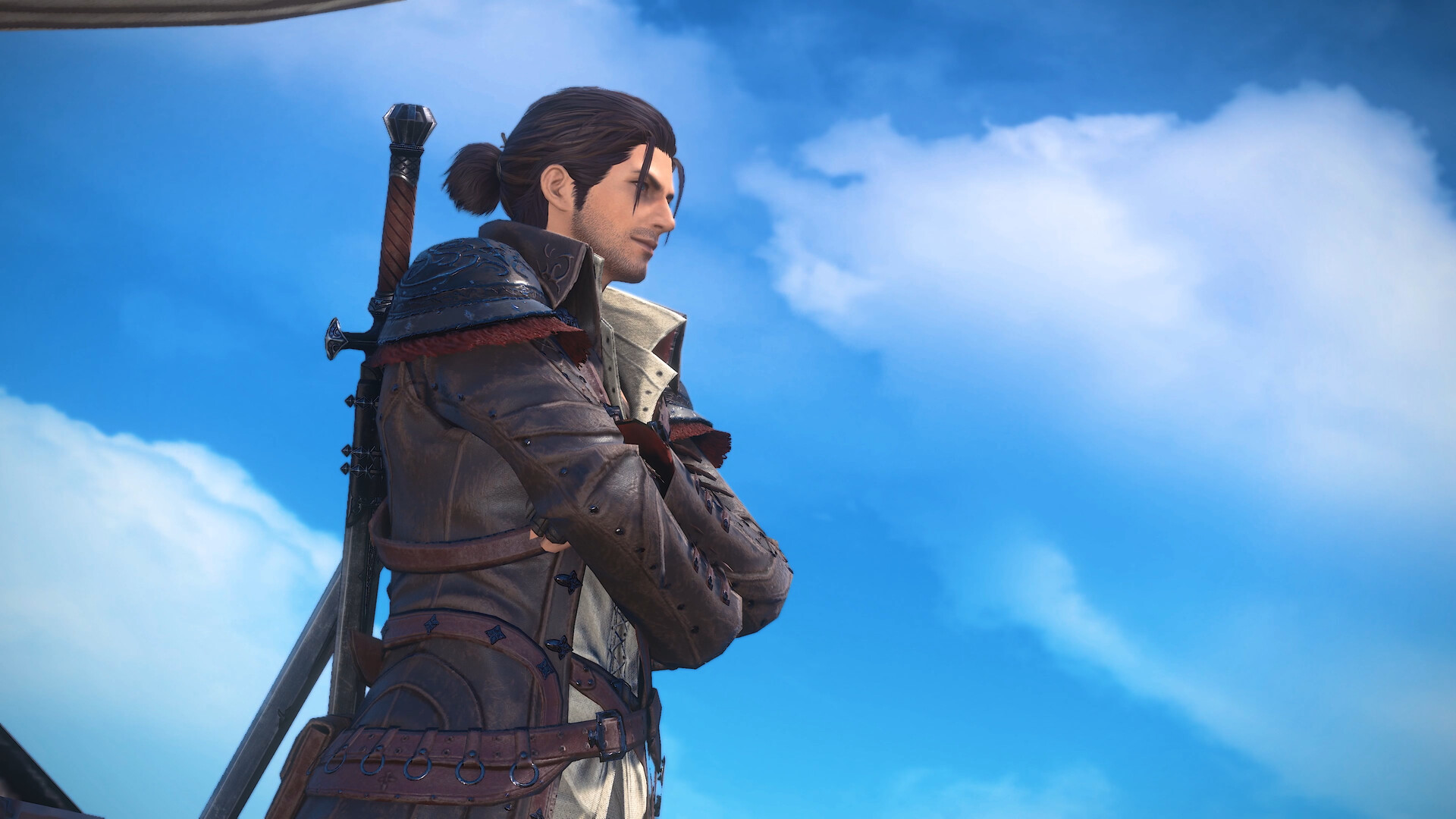
So why did I play through FFXIV three times?
Looking back, every playthrough had a completely different purpose. The first time, I barely cared about the story. I wanted to reach the endgame, skipped most of the early game and accidentally discovered a story I loved when I reached Shadowbringers. The second time, I created a new character because I wanted to understand the people I had grown attached to. I went back to A Realm Reborn almost as though I were watching a prequel.
And the third time, I created a Warrior of Light that looked as close to myself as I could make him. By that point I did not simply want to watch the story again. I wanted to put myself into it. That's probably the strangest thing about my relationship with Final Fantasy XIV. I started as the player hammering the skip button because I wanted to get to the "real game." Several years later, I had played through one of the longest RPG stories ever made three times.
Not because every part of it is perfect. A Realm Reborn can be painfully slow. Some expansions are stronger than others. Dawntrail disappointed me. But beneath all of that is a story about people who continue to trust one another, care for one another and move forward despite having every reason to give up. And maybe that's why I kept coming back. The first time, I played Final Fantasy XIV to reach the endgame. The second time, I played it to understand the people I'd grown attached to.
The third time, I played it because somewhere along the way, their story had started to feel a little bit like mine.
This is the author’s personal opinion. Final Fantasy XIV materials belong to Square Enix; this article is not official or sponsored by Square Enix.