1.Resident Evil 7: Biohazard
- What works
- The Baker house, memorable characters and extensive DLC.
- What holds it back
- Repetitive Molded and a weaker final cave.
For me, Resident Evil 7 is the most complete entry in the series. The campaign delivers a full experience, and its extensive DLC expands it in ways I will return to below. The whole package, rather than just the main story, is what puts the seventh game so high on my list.
A house that never lets you relax
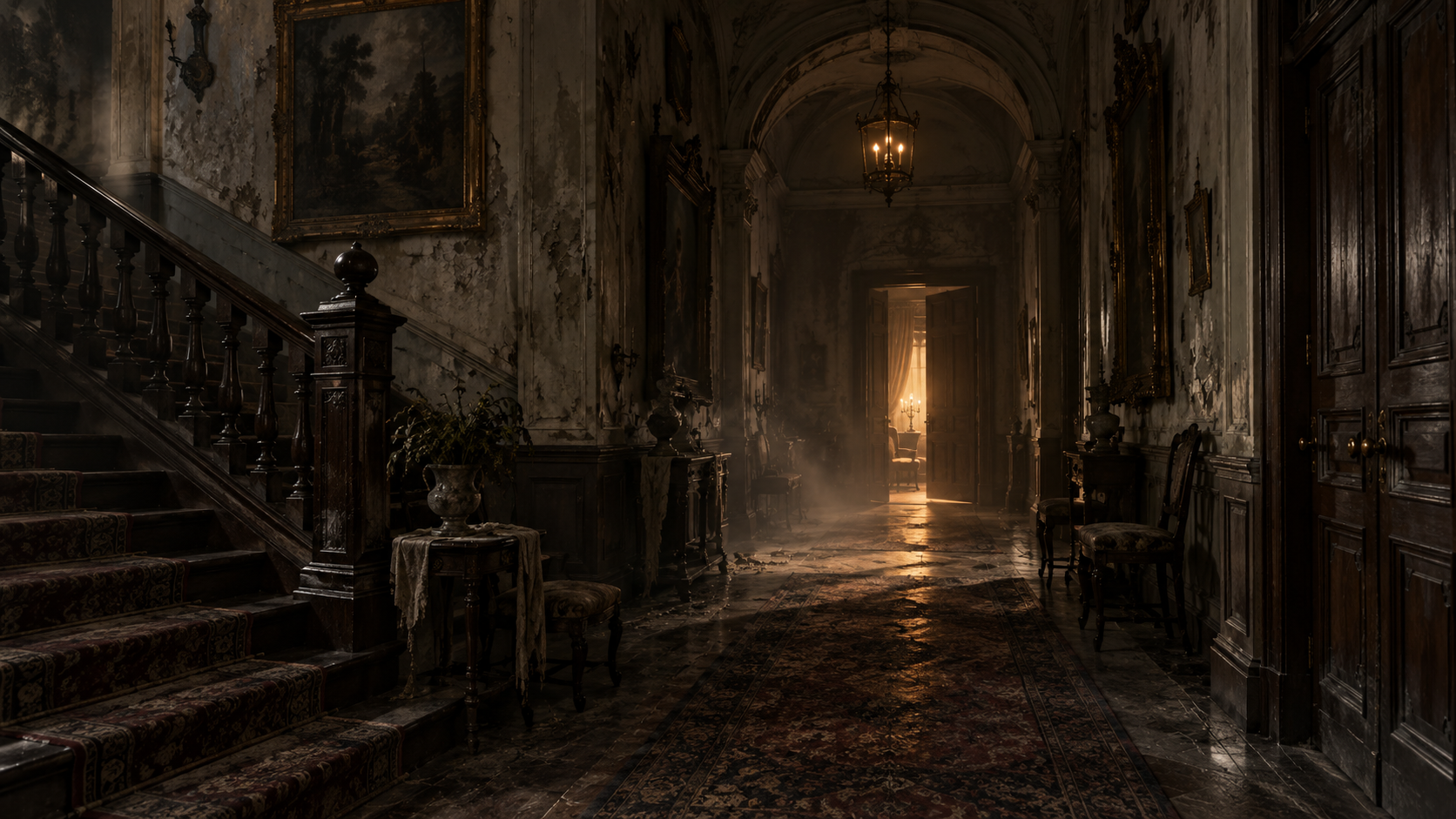
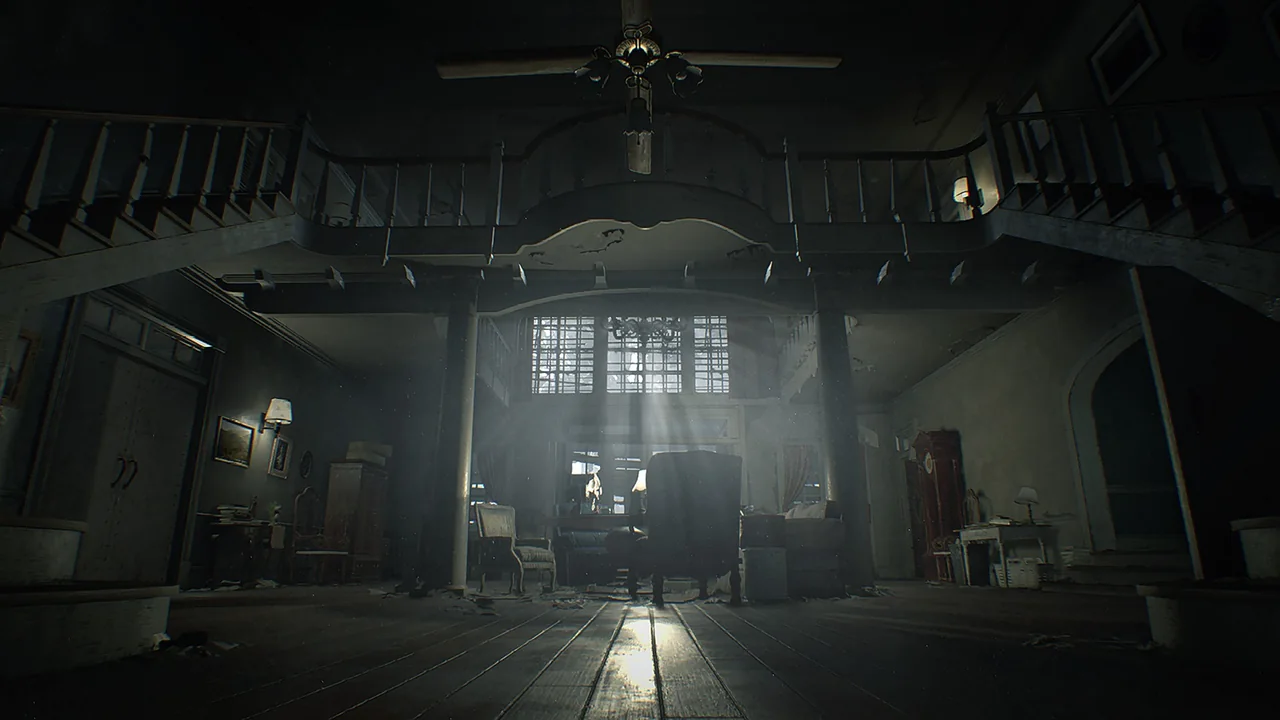
RE7 was also a major change for the series because it moved to a first-person view. In my opinion, that worked in the game’s favour, because it fits the atmosphere of the Baker house so well. The house itself is one of the best locations in all of Resident Evil. It is claustrophobic, unpleasant and almost never lets you feel completely safe.
The game returns to resource management and a more classic form of survival horror, so leaving a relatively safe room can make you uneasy every time.
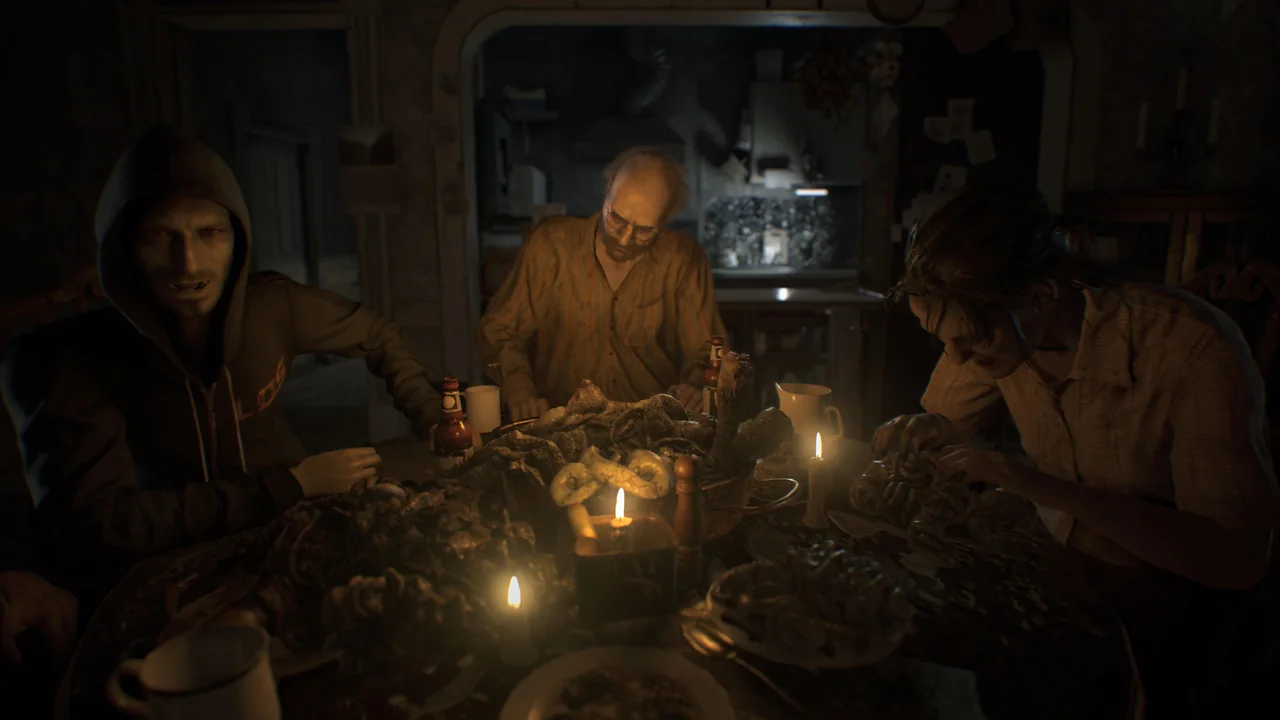
The Bakers are one of the game’s greatest strengths. They are well written, grotesque and easy to remember. The regular enemies fare much worse, especially the Molded. Most of them simply look like yet another black mass, and I wanted more variety in that respect.
Marguerite, Lucas and the boss fights
After the main house, the game changes but maintains its excellent atmosphere for a long time. I remember Marguerite, her house and the spider section particularly fondly: the stress, danger and uncertainty are still there.
Lucas’s section is weaker and feels more rushed, although it offers something different. The balloon and cake work brilliantly; the tripwire traps appealed to me much less.
I also really enjoy the boss fights. I do not get the same frequent feeling that the solution is obvious and comes down to waiting for a boss to make a particular move, expose a weak point and let you shoot it freely for a moment. Those mechanics do appear, of course, but they are less intrusive than in some other entries in the series.
The ship, the cave and the expansions
The ship section, where we play as Mia, strongly reminds me of Resident Evil: Revelations. In a way, it shows what a more modern remake of that game could look like. I enjoyed both the resource management and the way this stage was built.
By contrast, the weakest part of RE7 for me is the final cave leading to the laboratory. It is cramped, overloaded with enemies and simply less visually interesting than the earlier locations. I missed a more classic laboratory in the style of the other instalments.
The DLC plays a large part in deciding first place. It expands the story and adds puzzles, action-oriented challenges and entirely different modes, even things that resemble tower defence. There are also more absurd episodes focused on pure fun. These are extra ideas and reasons to return, rather than minor additions to the campaign.
That is why Resident Evil 7 takes first place on my list. Not because every element is perfect, but because, taken as a whole, it offers the most complete experience: survival horror, a strong atmosphere, memorable characters, good boss fights, varied locations and a huge amount of additional content. Beside it, many other Resident Evil games simply feel less substantial to me.
2.Resident Evil Requiem
- What works
- Grace’s survival horror, Leon’s action and a strong story.
- What holds it back
- The pacing in Raccoon City and limited shared stages.
Resident Evil Requiem sometimes feels like the best entry in the series to me. I would not recommend it as a first Resident Evil, though: many of its strengths come from deliberately combining elements of earlier games. Knowing the series really enriches the experience.
Grace and the return of vulnerability
The opening focuses on Grace and immediately puts a strong emphasis on cinematic presentation. Her kidnapping and the whole prologue are shown in an almost abstract way, building a sense of disorientation. The first location strongly resembles classic settings from other Resident Evil games, especially the police station in RE2.
We return to survival horror, limited resources and a heroine who clearly has little experience of situations like these. Grace is nervous and uncertain, and you can tell she is not another Leon who has seen it all.

Her sections are very atmospheric, although they do not feel quite as fresh if you have already played other entries in the series. In a sense, Capcom is using a tried-and-tested formula: an enclosed, dangerous location, limited resources and a constant sense of threat. The Baker house in RE7 and Lady Dimitrescu’s castle in Village worked in a similar way.
Requiem adds ideas of its own, such as collecting blood and using it to craft special items, but that mechanic remains more of an addition than something the entire game is built around.
I also like that the game does not constantly rely on traditional bosses with enormous health bars. You can simply avoid some threats or run away from them, which fits Grace’s sections well.
I also remember the stage involving the protection of another character very fondly. It reminds me a little of Sherry’s sections in RE2, but here there really is a moment when you have to actively defend her from zombies.
Grace’s strongest section for me was the underground area and the search for the kidnapped child. Those dungeons had a fantastic atmosphere — at times, I felt as though I was playing Amnesia: The Bunker. Moments like these are where Requiem best demonstrates that Capcom can still make a fully fledged survival horror game.
Leon: the other side of Resident Evil
Leon’s sections take a completely different direction. The cinematic carnage familiar from RE4 returns, although it is a little calmer and more restrained here. Leon is also much older than he was in RE4, so a slightly heavier style of action suits him. It is still spectacular, but it does not have quite the same pace and energy as the fourth game.

It is a bit of a shame that Grace and Leon’s shared stages are fairly limited. They do not work like the traditional partner system in Revelations 1 or 2. Usually, one character helps or defends the other, but there is no sense of a permanent duo.
Raccoon City and uneven pacing
The weakest part of the game for me was Raccoon City itself. Some backtracking returns there, and for a while the location did not impress me as much as I had expected. The pacing also dips, and this was the point where I was simply trying to push through more quickly. It was only the moment involving the opening of the police station entrance that really drew me back in.
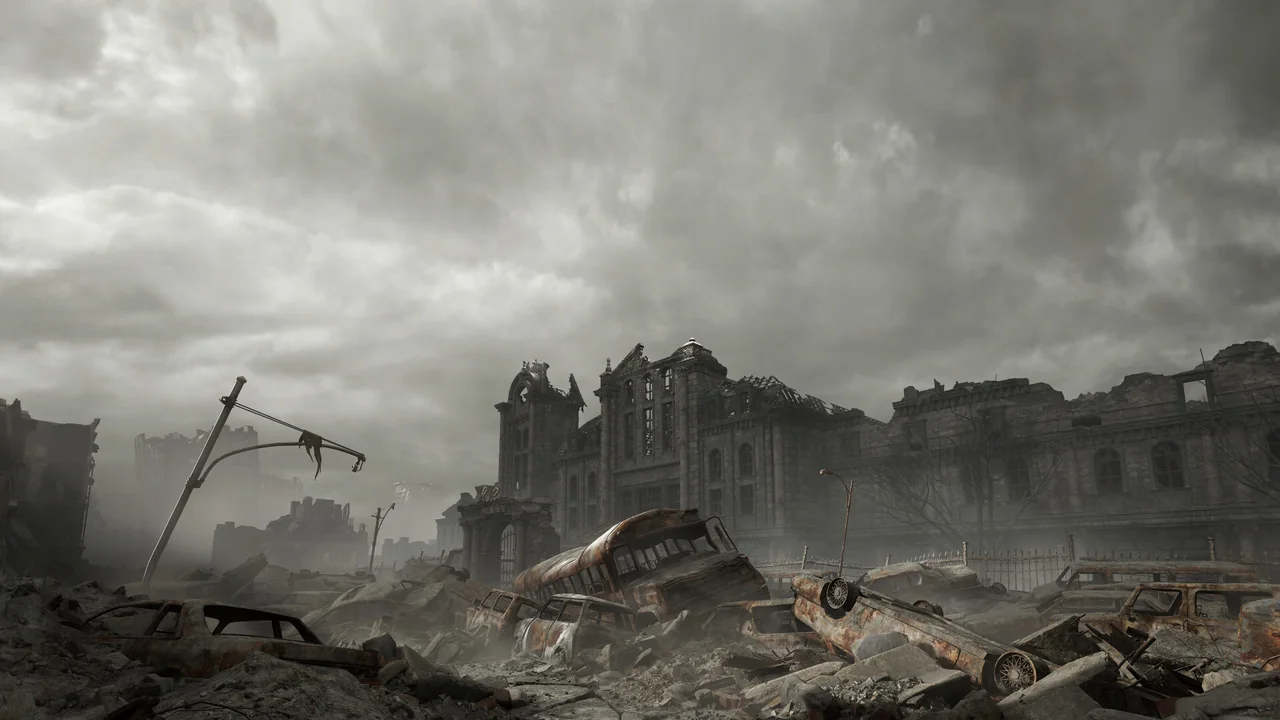
Even so, the story is very good, the graphics are excellent and the atmosphere stays strong for most of the game. Requiem shows both sides of Resident Evil well: survival horror through Grace and more spectacular action through Leon. That is why I put it in second place.
For fans of the series, and why it trails RE7
As a fan, I can see where Requiem draws its ideas from and how it combines different eras of the series. That gives me more than someone starting here would get. It is a great return to Resident Evil, but not necessarily the best introduction.
So why is Requiem not in first place on my list? Mainly because of Resident Evil 7 and its DLC. Requiem’s main game is excellent and, in many respects, may even be more polished, but RE7 simply gives me more as a complete package. Its expansions develop the story and add new modes, puzzles and entirely different gameplay ideas. That makes the seventh game feel more complete to me and gives me more reasons to return to it. The DLC is what tips the balance in its favour.
3.Resident Evil 4 Remake
- What works
- Combat pacing, varied enemies and developing the arsenal.
- What holds it back
- The industrial finale and less extensive DLC than RE7.
There is a reason Resident Evil 4 ranks so highly in the series. It changes the feel of traditional Resident Evil: instead of helplessness, it gives you energy and a sense of power. Leon is no longer just trying to survive a night at the police station; he enters a crowd of enemies confident he can fight through them and save Ashley.
In a sense, RE4 follows a very simple, classic pattern: you are a knight who has to rescue a princess, except that instead of a sword, you have firearms, kicks and increasingly absurd situations. That feeling is one of the game’s greatest strengths for me.
The village and enemies that drive the action
The opening can still be atmospheric. The village, the rustling trees, the background sounds and the feeling that something is wrong build tension very well. The further we get, however, the more the game moves away from horror and towards action. I do not consider that a flaw — RE4 simply wants to be something different. It is a change of pace from traditional survival horror.
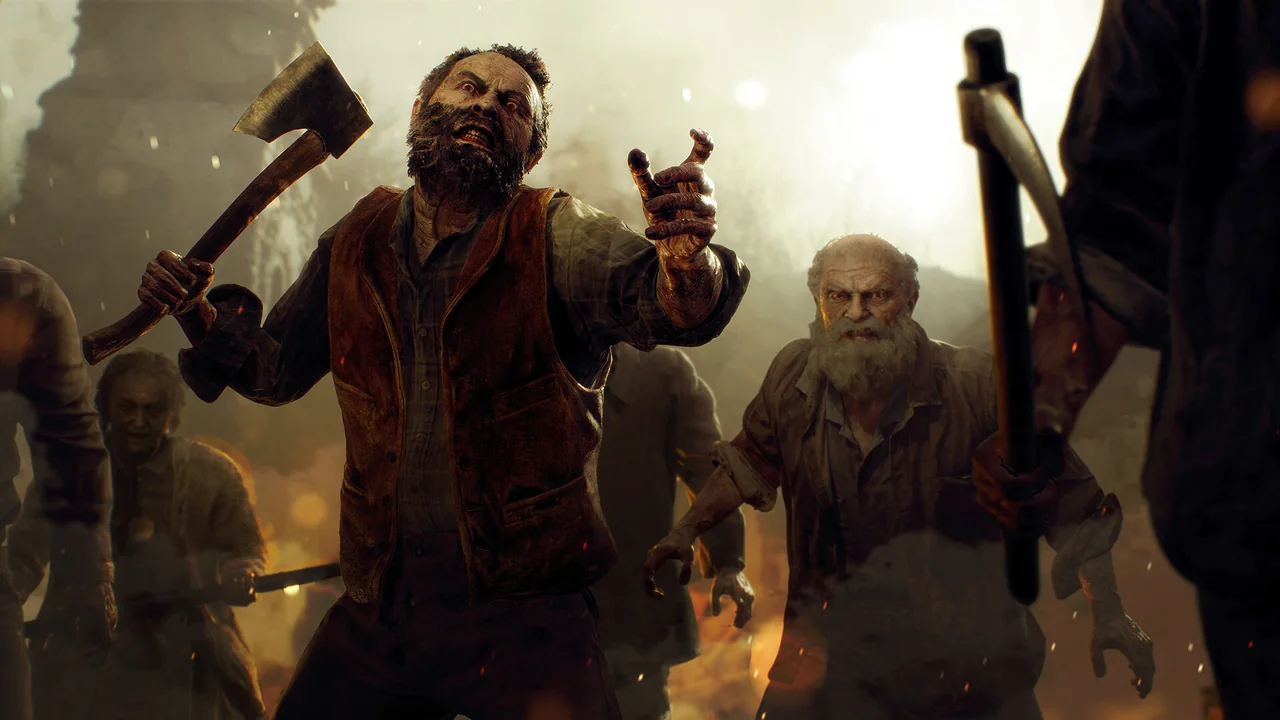
The enemies are one of its biggest strengths. There is an enormous variety: ordinary Ganados, giants, madmen, enemies with blades instead of hands and many other creatures.
Some of them start to repeat over time, of course, but the pacing is good enough that it does not become particularly tiresome. I think this is one of the most varied entries in the series in that respect.
Ashley, the castle and the merchant
The relationship with Ashley is handled well too. The game uses an escort premise, but does not try to restrict the player’s options all the time. Being infected also matters to the story, but it does not turn the whole game into a series of irritating restrictions. Most of those moments are short and do not disrupt the pace.
The castle mixes combat and puzzles well. The puzzles themselves are not particularly complicated, and for me they mainly serve as a break between fights. That is not a problem, though, because RE4 works best when it keeps moving. The game knows that action is its greatest strength and does not suddenly try to force itself into something completely different.
The merchant also works very well. Being able to buy, upgrade and change weapons gives you plenty of freedom and makes developing your arsenal satisfying.
Then there are the underground areas and more enclosed sections, which I do not find tedious in this game. The developers really tried to give even those parts their own identity — the minecart sequence is a good example.
Where the pace begins to falter
There are weaker moments, of course. The castle has some “find an item, go back, use it” backtracking, but it does not come anywhere near the level of irritation I felt with Code Veronica, for example. The game very rarely stops me for long enough to feel as though I am standing still.
The weakest part for me was the more industrial stretch towards the end. There are simply too many enemies there, and the location does not stand out as much as the earlier village or castle. I feel that part of this section mainly exists to stretch the game out a little longer.
The final fight is well designed, although it ultimately returns to a very Resident Evil formula: find the weak point and shoot it until the boss goes down.
Ada and the sheer fun of playing
Ada and her additional sections are partly a nod to the fans, but they also add to the story from another perspective. Personally, I like her new voice too. It is more subtle and colder, which suits the character’s mystery better than the more direct earlier interpretations.

I put RE4 Remake in third place above all for its incredible playability. It is one of those games that is simply fun to play from beginning to end. It loses to RE7 on my list mainly because it lacks an equally extensive DLC package (apart from Ada), and to Requiem because Requiem combines action and survival horror better. But when it comes to the sheer enjoyment of the gameplay, RE4 Remake is right at the top of the series.
4.Resident Evil 4
- What works
- Camp, memorable dialogue and gameplay that still holds up.
- What holds it back
- Stiffer controls and shooting, with no parrying.
Yes, I know — people will immediately say that the original Resident Evil 4 should be higher than the remake. And I understand that point of view. The original is less serious, more arcade-like, has a different atmosphere and, in my opinion, even better character outfits. But that does not automatically make it better.
What the remake improved
The remake greatly expanded practically every location, gave them more character and atmosphere, and improved many aspects of the controls and combat along the way.
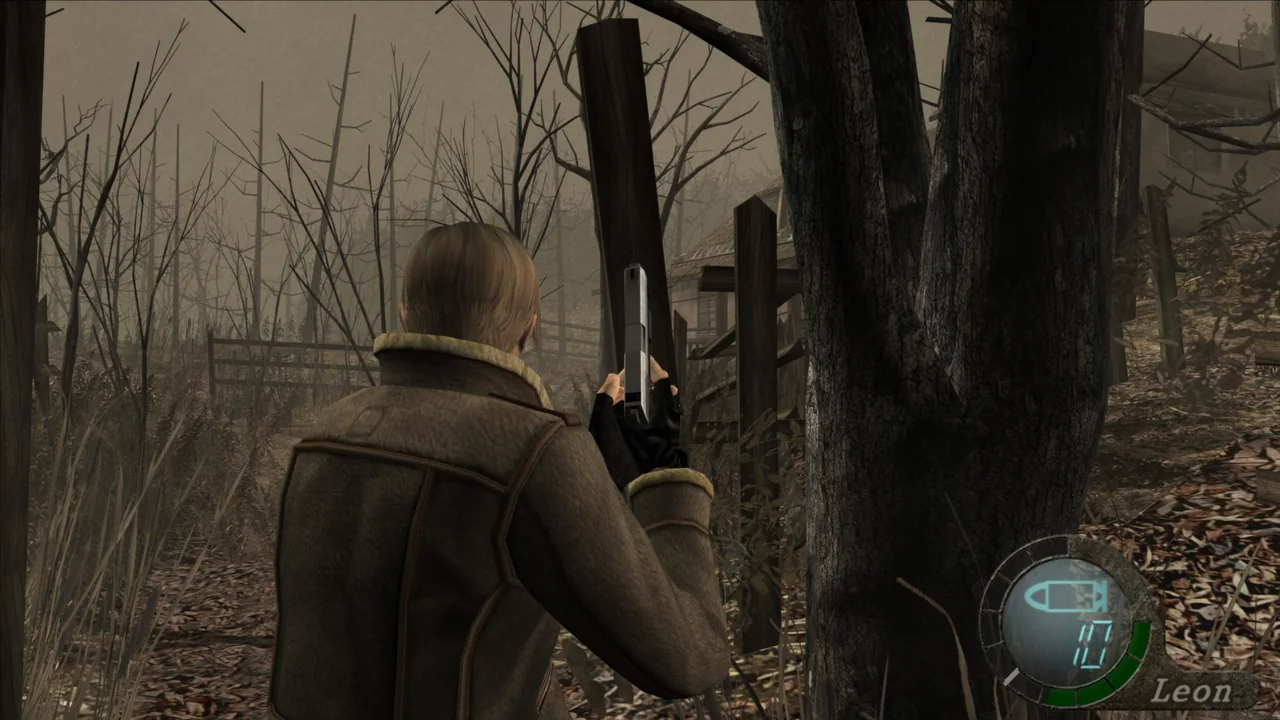
The original is harder, especially because it has no parrying and its shooting is more rigid. After a while, I even had to install a mod that improved the camera and a few other things to make it enjoyable for me to play again.
An identity the remake cannot replace
That does not mean the original has suddenly aged badly or stopped being a great game. Quite the opposite — it is still damn Resident Evil 4. The gameplay remains a lot of fun, the fights are satisfying, the locations have character and the whole game keeps up a very good pace.
In structure and mechanics, the original is now a simpler version of what the remake expanded on, but nothing essential is missing. In some respects it is even better, especially if you prefer a less cinematic, less serious tone.
The original is more relaxed, has more camp and features dialogue that is much more direct and memorable. For some players, that will be its biggest advantage over the remake.
That is why I place the original RE4 so highly. Not because it is better in every respect, but because the foundation of that game still works brilliantly. The remake improved and expanded a great deal, but the original still has its own identity and remains damn enjoyable to play.
5.Resident Evil 2 Remake
- What works
- The police station, Mr. X and classic survival horror tension.
- What holds it back
- Weaker later locations and little urge to replay immediately.
“Why is Resident Evil 2 Remake so low? Bad ranking, delete it.”
Fifth place does not mean I consider RE2 Remake a weak game. For pure survival horror, it is one of the very best in the series. My issue is with the complete experience and returning to it after finishing the campaign.
The police station as a survival horror benchmark
Most of the time, you feel as though something is about to jump out from around the corner. The zombie you just shot ten times will get back up in a moment. Mr. X can appear in a cramped corridor at exactly the moment you need him least. On top of that, you are constantly searching for keys and items, and wondering where you are supposed to go back to next.
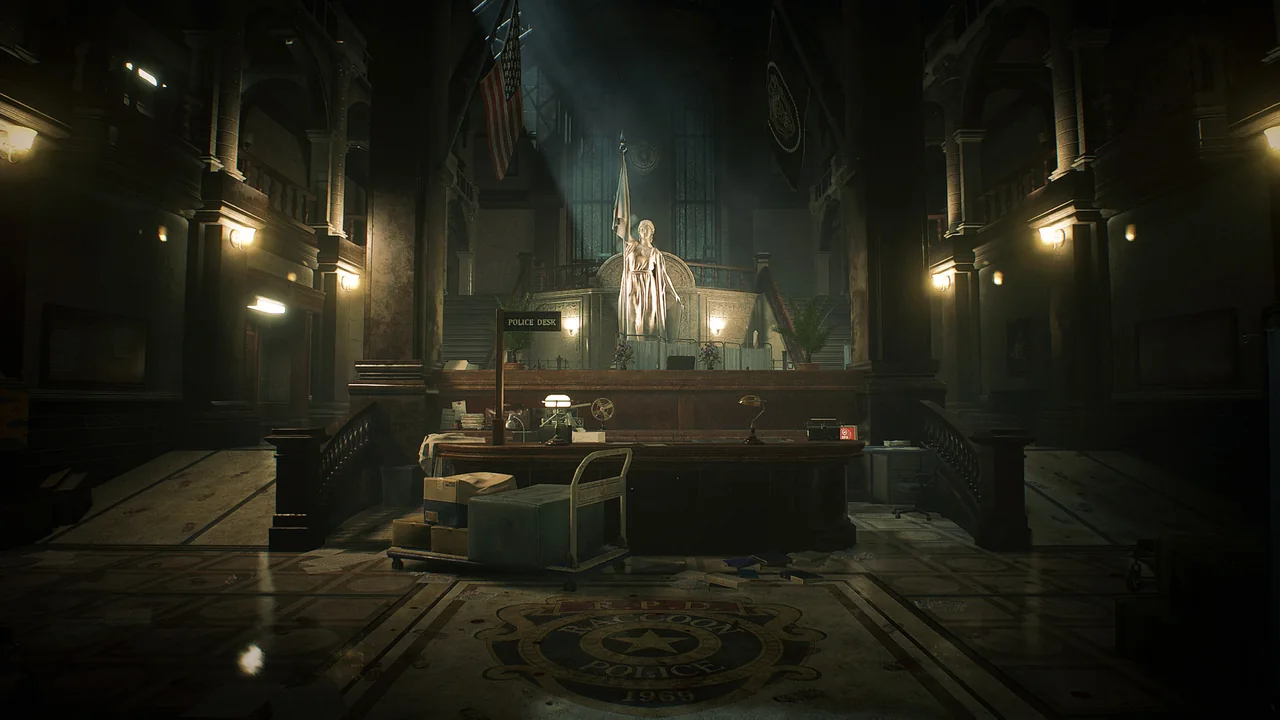
For me, the police station itself is one of the best locations not only in Resident Evil, but in video games as a whole. It is claustrophobic, brilliantly designed and becomes more familiar with every passing hour. If I were judging only this part of the game, RE2 Remake would probably be higher on my list.
A less consistent game after the police station
The problem is that the police station does not last forever.
The police parking garage is still fine, but it no longer has the same atmosphere. The dogs can be irritating, and the sewers are definitely one of the game’s weaker sections for me. The laboratory makes up for some of that later, but it is hard to pretend that every subsequent location matches the standard of the first few hours.
The enemies are not as varied as those in Resident Evil 4, for example, either. Zombies, Mr. X and Birkin’s various forms dominate much of the game. That is enough to build tension, but it does not create the same variety of situations as the more action-oriented entries.
The boss fights are not the game’s strongest point for me either. They often come down to identifying a particular mechanic: provoke the right move, use something in the environment, expose a weak point and only then attack.
I do not think that is a bad solution — I definitely prefer it to mindlessly shooting away at an enormous health bar — but it simply does not give me as much satisfaction as the bosses in other entries.
Why I did not return straight away
My biggest issue, however, is replayability.
After my first playthrough, I had absolutely no desire to return to the police station, find the same keys and play cat and mouse with Mr. X all over again. It was only after about three years that I returned to the game and completed Claire’s campaign.
That brought another disappointment. Claire’s campaign differs from Leon’s story, but in my opinion, not enough to make me want to start the second character immediately after finishing the first.
Much of the locations, puzzles and overall structure remains similar, so personally I would not recommend playing them back to back without a break.
There is extra content and a few side modes, of course, but compared with what Resident Evil 7 received in its DLC, the difference is enormous.
RE2 Remake remains one of the series’ best survival horror games for me, and the police station is practically a model of how to design that kind of location. Fifth place does not mean the game is weak; it means that, after a phenomenal opening, the later sections do not maintain the same standard, and finishing the campaign did not leave me with a strong urge to return immediately.
6.Resident Evil Village
- What works
- Dimitrescu’s castle, House Beneviento and Shadows of Rose.
- What holds it back
- Uneven locations, an exhausting factory and repetitive enemies.
Although Resident Evil Village is a direct sequel to RE7, which I put in first place, I do not think it raises the bar at all. In fact, taken as a whole, I consider Village one of the weaker entries in the series. One thing above all keeps it this high on my list: Lady Dimitrescu’s castle.
The castle that keeps the game this high
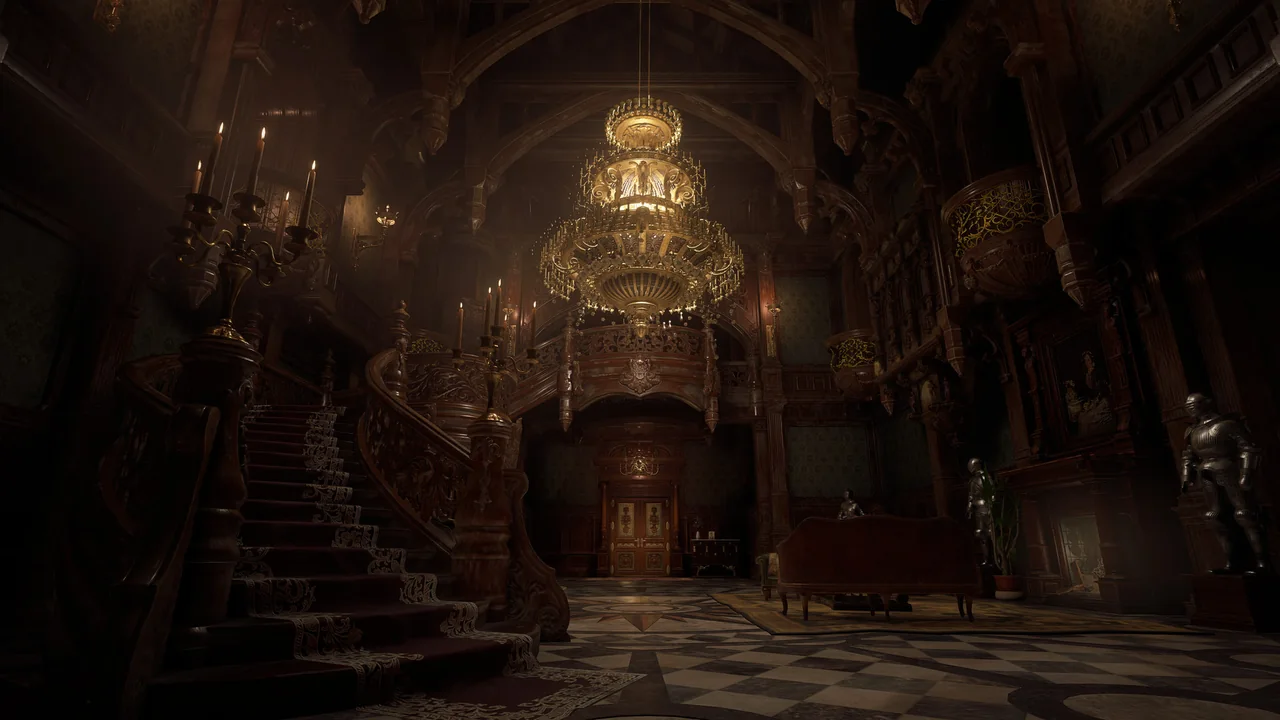
It is definitely the best part of the entire game. The castle’s atmosphere is phenomenal, and if Village had focused mainly on it instead of devoting only part of the campaign to it, my opinion of the game would be much better. The exploration, atmosphere, sense of being followed and the setting itself suit Resident Evil perfectly.
After the castle: the swamp and the factory
The problems start after you leave the castle.
The subsequent locations are noticeably weaker for me. The swamp did not stick in my memory at all. House Beneviento has a great atmosphere and briefly brings back real survival horror, but it is a relatively short section. And then we reach the factory.
The factory is by far the worst location in the whole game for me. It wore me down so much that I had to take a break from Village before I felt like returning to it at all. It is very rare for a Resident Evil game to make me force myself to keep playing, but that is what happened here.
Village tries to be more varied than RE7, but I feel that this variety mainly applies to the principal bosses and locations. The regular enemies start to repeat throughout much of the game, and it does not create the same feeling of variety as Resident Evil 4, for example.
When I think of Village, the castle comes to mind first. The swamp, factory and other locations trail far behind it. That is my main issue with the game: a phenomenal opening can overshadow the uneven sequence of locations that follows.
Beneviento and the additional story
House Beneviento is the exception. For a moment, the game slows down again, takes away some of the player’s sense of control and returns to a purer form of horror. That section works very well; it is just a shame it is so short.
Village also does not have as much extra content as RE7. Shadows of Rose is a very good expansion and, in my opinion, closes out Ethan and his family’s story beautifully, but one good expansion is not enough to match the seventh game’s enormous amount of DLC.
That is why Village only takes sixth place on my list. It has some truly excellent moments — above all Dimitrescu’s castle and House Beneviento — but, as a whole, it is too uneven for me. If the entire game maintained the standard of its opening hours, it could compete for the very top spots. Unfortunately, the further I got, the more often I felt that the best of Village was already behind me.
7.Resident Evil 5
- What works
- Wesker, Jill, the spectacular finale and Lost in Nightmares.
- What holds it back
- Clunky controls and a camera that hold the game back.
I will say this straight away: if it were not for the controls and that damned camera, Resident Evil 5 could easily be higher on my list, even above Village.
Controls hold back the fun of the action
RE5 offers a very similar feeling of power and pure enjoyment to Resident Evil 4. The problem is that it does not always let you enjoy those things, because the controls can simply be clunky. I had to download mods from places I had never even heard of to make it more comfortable to play.
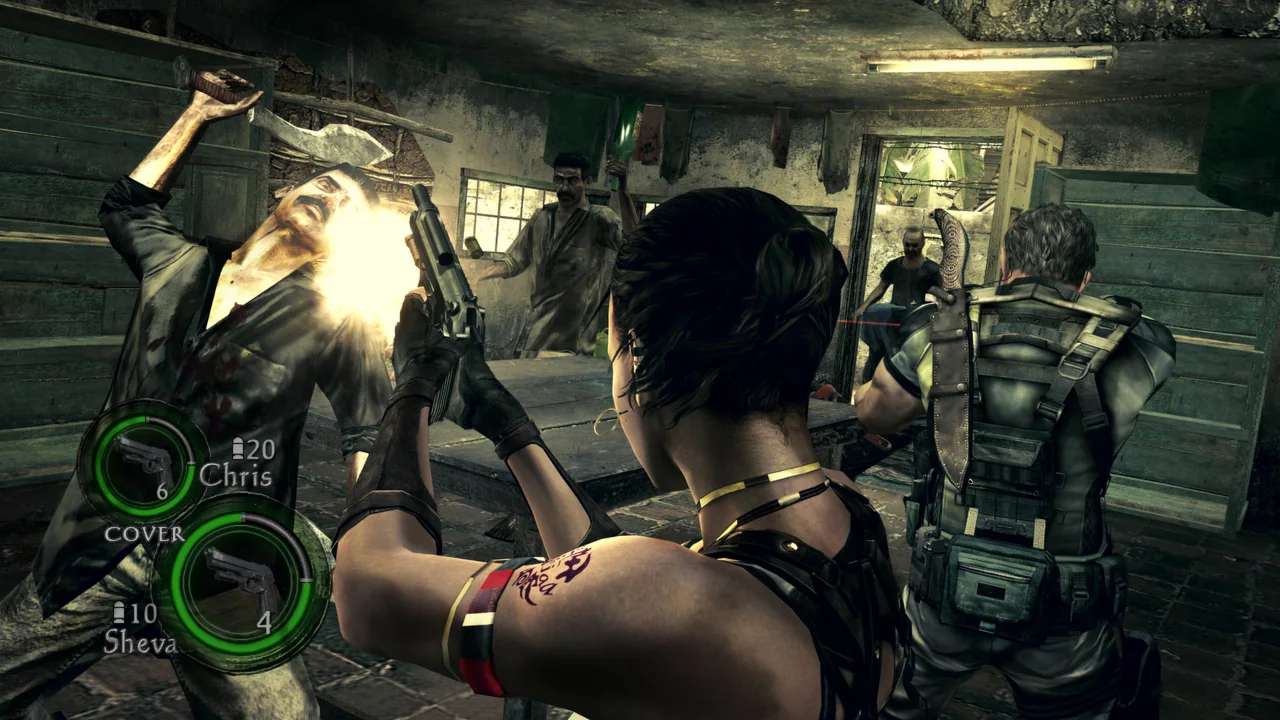
The action moves to Africa and, in many places, develops ideas from RE4, only in an even more grotesque form. You can see it in the way the infection is shown, for example, and in the enemies’ more aggressive nature. In my opinion, enemy variety itself is much better here than in Village or RE2 Remake.
The gameplay can be a lot of fun, and the puzzles — especially those in the section resembling ancient ruins or pyramids — are simple but enjoyable. They are not particularly demanding, usually coming down to finding something, moving an object or reaching a particular place, but they make a good break between combat sequences.
Wesker, Jill and the over-the-top finale
For me, however, RE5’s greatest strengths are Wesker and Jill.
There is a reason people still make clips of Wesker’s scenes today. The fights with him, his presence, his dialogue and everything surrounding him are the absolute highlights of this game. It is exactly the kind of exaggerated, spectacular Resident Evil that many fans wanted — and Capcom really delivered it.
The ending works brilliantly too. It is absurd, over the top and full of emotion, but that is exactly why it stays with you. In terms of spectacle, it was only Requiem that surpassed it for me in a similar way.
Expansions and the potential for a remake
Of course, there are weaker sections and plenty of quick time events, but I do not feel the game drags those worse parts out forever. There is also DLC that makes sense within the story and genuinely adds something. Lost in Nightmares in particular, with its return to a mansion, shows that the developers could still revisit a more classic atmosphere.
RE5 has plenty of strengths in its content and story. The controls and camera make it hard for me to place it higher, despite all those great moments.
If Capcom ever makes a proper RE5 remake, with modern controls and a smoother camera, I truly believe this entry could even jump into my Top 3.
For now, though, somewhat reluctantly, I give it seventh place.
8.Resident Evil 3 Remake
- What works
- Good pacing, Jill and Carlos’s story and defending the hospital.
- What holds it back
- A short campaign and an overly scripted Nemesis.
Why so low? Because — and there is no point dressing this up — this game is simply very short.
Nemesis does not hunt the way I expected
The pacing itself is good and things happen most of the time, but my biggest problem is Nemesis. I expected an enemy who would always be somewhere behind me, stalking me and making me wonder whether he was about to jump out from around the corner. Instead, his presence is heavily scripted for most of the game.
Nemesis mainly appears when the game wants him to: as a miniboss, a full boss or during a particular escape sequence. As a result, he does not give me the same sense of constant danger as Mr. X in Resident Evil 2 Remake.
Then there is the fact that a substantial amount of content from the original Resident Evil 3 was cut, which feels even more noticeable in an already short campaign.
The hospital salvages part of the experience
There are sections I really enjoyed, however. I particularly remember the part with Jill when she is injured and starts to change, and Carlos has to find a cure for her. Defending the hospital behind a barricade was also a lot of fun and offered a slightly different kind of tension from the rest of the game.
The problem is that these best moments come relatively close to the end.

The finale and unrealised potential
The finale did not impress me either. The last fight with Nemesis mostly comes down to using an enormous gun and repeating the same pattern a few times. As the conclusion to a story about the enemy who was meant to be the game’s greatest threat, it feels a little too simple to me.
Resident Evil 3 Remake is not a bad game. It is fast, spectacular and can be enjoyable, but it simply lacks content and does not make enough use of Nemesis. If the game were longer, retained more elements from the original and allowed Nemesis to actually hunt the player, it could place much higher.
9.Resident Evil: Revelations
- What works
- Jill’s ship, interesting puzzles and a memorable final fight.
- What holds it back
- Character switches, the map and getting lost.
Resident Evil: Revelations has some strong elements, but as a whole it is very uneven for me. I would not call it a bad game, but I would not say it is particularly good either.
Handheld roots and broken continuity
The game was originally made for Nintendo 3DS and only later brought to PC and larger consoles. At times, you can tell it was designed a little differently from the main entries in the series.
One of the things that bothered me most was the constant switching between characters and locations. I like Resident Evil to give me one larger space that I gradually get to know and explore. Here, the game often suddenly sends me somewhere else and makes me play as someone different, which made it hard to find the same sense of continuity I had in RE2 or RE7, for example.
Jill’s ship: the game’s greatest strength
Jill’s sections work best for me. The ship itself is by far Revelations’ greatest strength — it has a fantastic atmosphere and can feel reminiscent of the classic Resident Evil games. The enclosed corridors, sense of isolation and exploration really work well here.
The enemies are less successful. Most of them look and behave similarly, with only minor differences. The bosses, on the other hand, can be really good, especially the final fight, which definitely stayed with me.
The puzzles are also more interesting than I expected. They are a little different from those in the other instalments, and sometimes you really have to think instead of simply finding the right key and putting it into the right door.
A map that gets in the way of exploration
I remember the map much less fondly. I found it completely unintuitive and hardly used it. The game itself does not hold your hand, which would not normally be a problem for me, but several times I spent far too long trying to work out what I was actually supposed to do next. At those moments, exploration turned into simply getting lost.
That is why I have a slightly strange relationship with Revelations. In places, it is more interesting than Resident Evil 3 Remake, particularly for someone looking for greater variety, exploration and a more classic atmosphere. The ship itself is also a much more distinctive location than much of RE3.
Even so, I simply enjoyed playing RE3 Remake more. It is shorter and more limited, but it has a better flow and frustrated me less often. That is why Revelations only takes ninth place on my list.
Honorable Mentions
Not every Resident Evil game I have played made it into the main ranking. I simply did not finish some of them, so I do not want to pretend I can fairly judge them on the same terms as games I played from beginning to end.
Resident Evil 6
I mainly did not finish Resident Evil 6 because I simply did not like it. I reached the part with Leon, and for me, this game is overloaded with action.
Action, action, action and a little more action.
I miss moments to catch my breath, quieter exploration and tension built by the location itself. The game almost constantly tries to raise the stakes and throw in more spectacular sequences, until at some point it stopped working for me. I like the more action-oriented Resident Evil games — RE4 and RE5 are the best examples — but RE6 crossed the line for me.
Resident Evil
I am not someone who particularly enjoys fixed cameras and one large location that requires constant returns to the same places.
I do not consider the first Resident Evil a bad game. I also understand why it matters so much to the entire series. This style of gameplay simply is not for everyone — and it definitely is not for me.
I also feel that the first game is sometimes recommended to new players mainly because many people see it as a classic, rather than because it would be the best first experience of the series. Nostalgia does not always mean that a game’s design will still suit everyone.
Resident Evil 0
I have a similar issue with it to the first game. Once again, we get a style of gameplay that simply does not suit my preferences.
The lack of my native language, Polish, also bothered me, making it even harder to get into the game. I did not find an atmosphere that encouraged me to keep playing either.
I did like the characters, though, and they are what I remember most fondly from this entry.
Resident Evil Code: Veronica
Code Veronica is probably the clearest example of a game I dropped because of backtracking.
I got roughly halfway through, but at some point the constant running between opposite ends of the map simply wore me out. Here, backtracking can mean realising you need an item you left practically at the start of the game, going back across half the map to get it, then having to make the entire journey back again.
For some people, that might be part of the charm of older Resident Evil games. For me, it was mainly exhausting.
Resident Evil: Revelations 2
Revelations 2 is a slightly different case, because I am still playing through it and there is a good chance I will actually finish it.
At the moment, I like it more than the first Revelations. The characters appeal to me more, the weapons are more interesting, the locations are more enjoyable to explore and, above all, the map is much easier for me to read.
Then there is Raid Mode, which I think is an excellent addition and gives me plenty of reasons to keep playing all by itself.
I do not want to put Revelations 2 into the main ranking before I have seen the entire game, however. If I finish it, I may well update the ranking later.