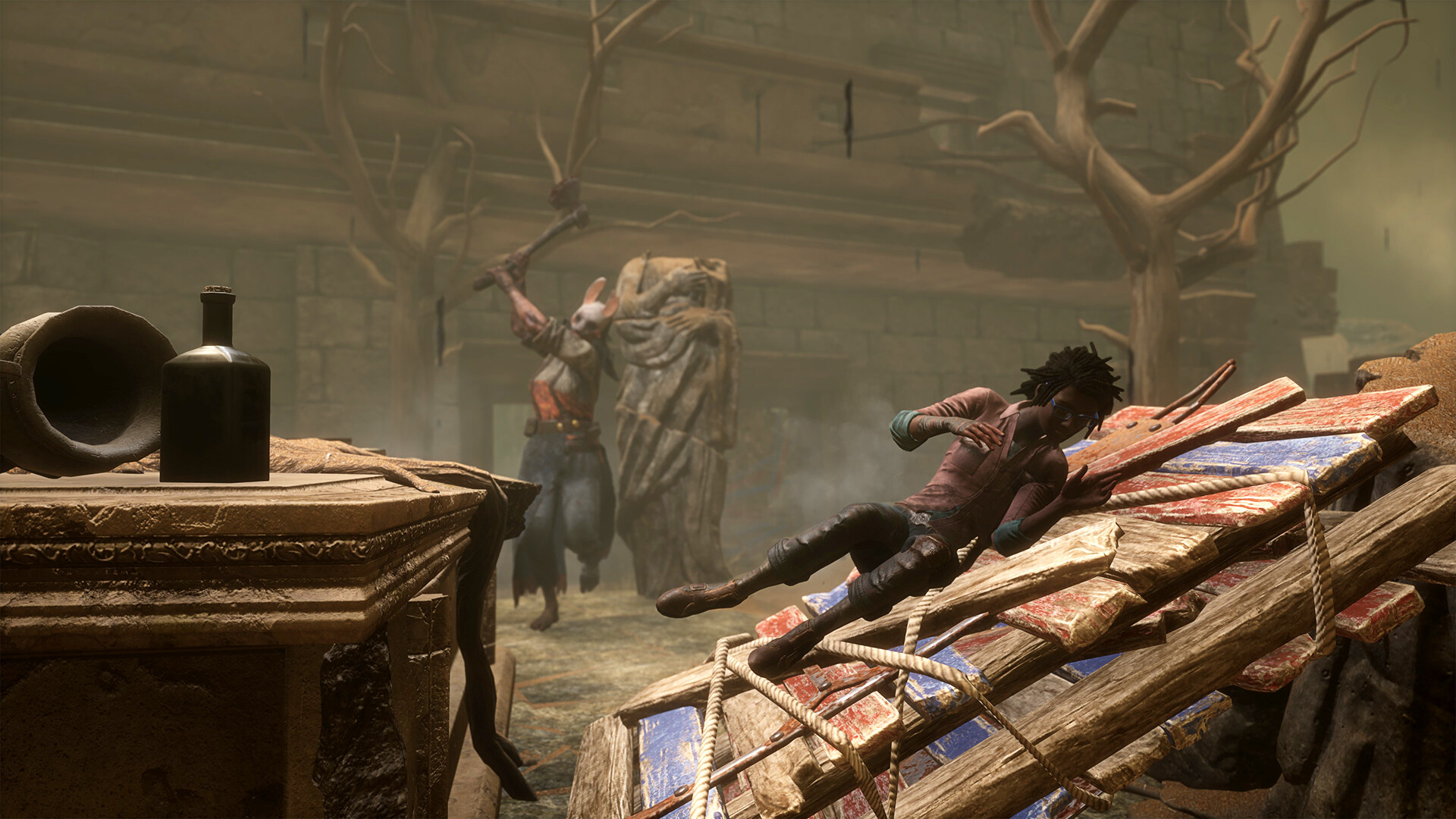
Dead by Daylight has always had a strange relationship between killers and survivors. Both sides constantly accuse each other of being toxic. Survivors complain about tunneling, camping and slugging. Killers complain about teabagging, flashlight spam, coordinated teams and players deliberately trying to humiliate them. But after spending roughly 2,500 hours in the game, I think the problem is more complicated than simply saying that killers are toxic or survivors are toxic.
The same situation can look completely different depending on which side you are playing.
The same match can tell two completely different stories
Imagine that you are playing survivor. The killer finds you, hooks you, finds you again and keeps chasing you while seemingly ignoring everyone else. From your perspective, it feels obvious. Why me? You might think the killer has decided to ruin your match. Maybe they are angry. Maybe they are tunneling you for no reason. Now look at the exact same match from the killer’s perspective. The killer starts the game and cannot catch anyone.
One survivor loops them for minutes. Another teabags after every pallet. Generators disappear while the killer feels like they have absolutely no control over the match. Then they find you. And unlike the other survivors, you are someone they can actually catch. What do they do? They chase you again. Not necessarily because they hate you, but because you are currently the one person giving them a realistic chance to get something out of the match.
For the survivor, it feels personal. For the killer, it can simply feel like survival. That difference in perspective is one of the biggest reasons the conflict between both sides never really ends.
Playing killer comes with a different kind of pressure
The gap between playing survivor and killer is larger than it may initially seem. As a survivor, you are part of a team. You can have a terrible chase and another survivor can still repair generators. You can make a mistake and someone else may save you. Responsibility for the match is spread across four people. As killer, everything is your responsibility. Every missed attack matters. Every long chase matters. Every generator that gets completed feels like something you personally failed to stop.
There is nobody else to take pressure off you. That does not excuse bad behavior, but it helps explain why frustration can build so quickly when playing killer. And until both sides occasionally try to imagine what the match looks like from the other perspective, the endless Killer vs Survivor argument is probably going to continue.
Toxicity spreads from one match to another
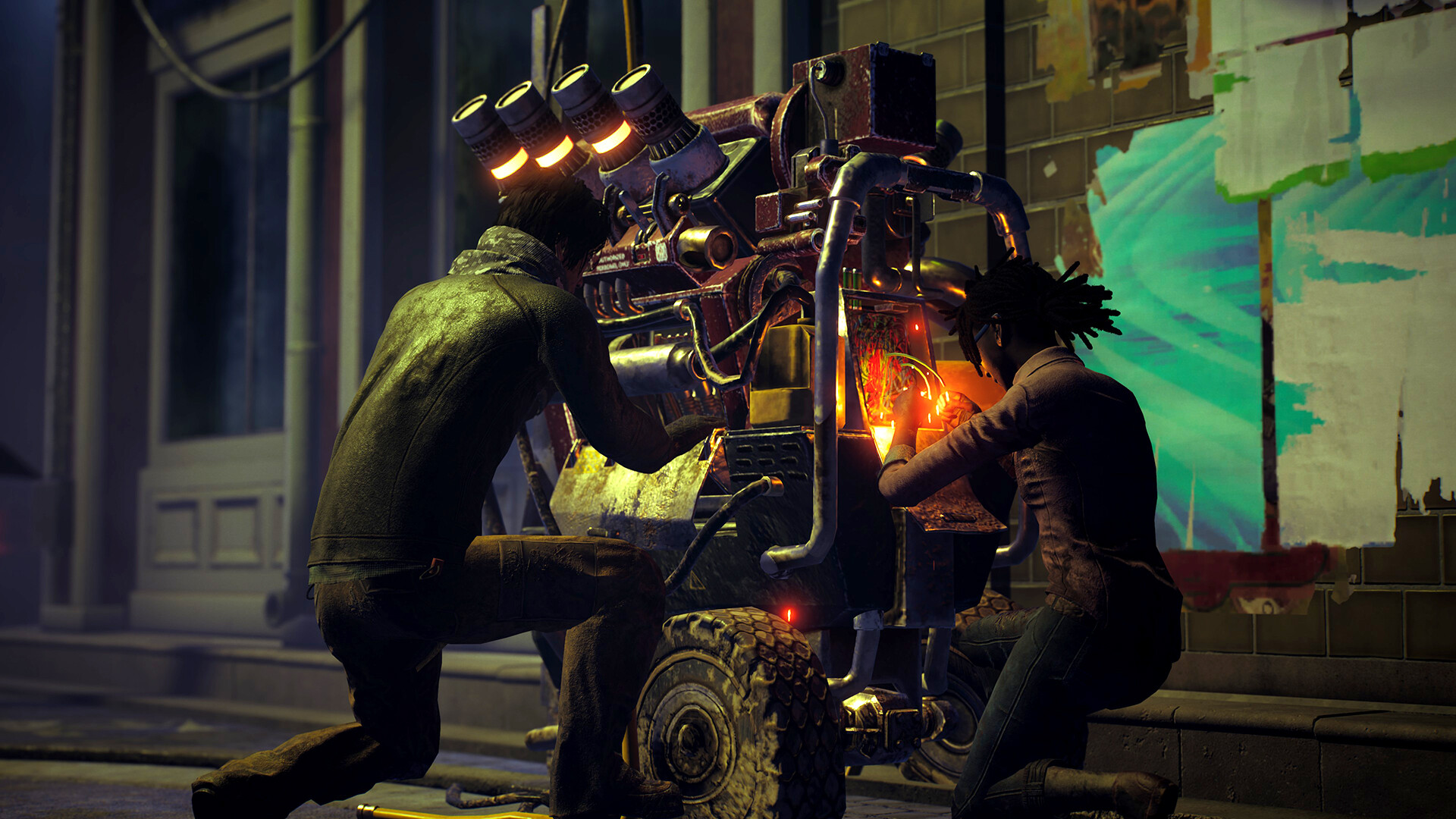
There is another problem that I think is even more important. Toxicity is contagious. Imagine playing Solo Queue as survivor. You get hooked and wait for one of your teammates to rescue you. Two survivors finally approach. Except instead of helping, they stand in front of you and teabag while you slowly die on the hook. How would you feel? Probably angry. Maybe you start thinking: Fine. If random survivors do not care about me, I will stop caring about them.
And in the next match, something changes. You stop taking risks for teammates. You open the exit gate and leave immediately. You stop going back for rescues. You start playing entirely for yourself. But the people in that next match do not know what happened to you previously. To them, you are simply the selfish random survivor who abandoned everyone. Now they are frustrated too. And the cycle continues.
A bad survivor team can create a toxic killer
The same thing happens on the other side. Imagine you normally play one killer that you know extremely well. Eventually, you get bored and decide to learn someone new. Naturally, you are worse with them. You miss attacks. Your power does not work the way you expected. Your chases take too long. Then you encounter a survivor team that notices you are struggling. Instead of simply playing normally, they start treating you like a joke.
Teabagging. Flashlight spam. Running directly toward you because they know they can escape. Waiting at the exit gate just so you have to watch them leave. You wanted to learn a new killer. Instead, you spend the match feeling humiliated. What happens next? Maybe you decide that playing that killer is not worth it. You return to your strongest killer. Except now you are irritated. You do not want another match where four people spend fifteen minutes laughing at you.
So this time you play aggressively. You tunnel. You slug. You refuse to give anyone unnecessary chances. You want control of the match back. And then four completely different survivors load into your lobby. They did nothing to you. But they are the ones who experience the result of your previous match. They leave thinking: What was wrong with that killer? We didn't even do anything. And perhaps in their next match, they start teabagging a killer because they are already angry.
That killer becomes frustrated. Then the next group suffers. It becomes a loop.
Dead by Daylight toxicity has memory
This is what makes DBD interesting to me. Matches are technically separate, but emotionally they are not. Players carry frustration from one game into the next. A killer remembers the team that spent an entire match humiliating them. A survivor remembers the killer that tunneled them out of the game immediately. A Solo Queue player remembers the teammates who left them to die. Then completely unrelated players end up paying for something somebody else did ten minutes earlier.
In that sense, Dead by Daylight toxicity has memory.
The game forgets what happened when the match ends. The players do not.
Solo Queue probably feels this the most
I think Solo Queue players experience this cycle especially often. When you play with three friends, you already know the people on your team. You communicate. You trust each other. If someone makes a mistake, you usually understand why. Solo Queue is different. You do not know what your teammates are thinking. You do not know whether the person ignoring your hook is scared, inexperienced, doing a generator or simply does not care.
Without communication, people often assume the worst. And the more bad experiences someone has, the easier it becomes to enter every new match expecting another one.
Not every frustrating strategy is toxic
There is also an important difference between something being frustrating and something being toxic. Tunneling can be a strategy. Slugging can sometimes be strategically useful. Flashlight saves are a normal game mechanic. Looping the killer well is obviously not toxic. A player trying to win is not automatically trying to ruin somebody else's experience. For me, toxicity begins when the goal stops being winning and starts becoming humiliating another player.
A survivor who has already reached an open exit gate but refuses to leave because they want the killer to watch them teabag is gaining nothing strategically. A killer repeatedly hitting a survivor who is already hanging on the hook is not gaining pressure. At that point, the message is no longer: I want to win. It becomes: I want you to know that I beat you. And that difference matters.
So who is responsible?
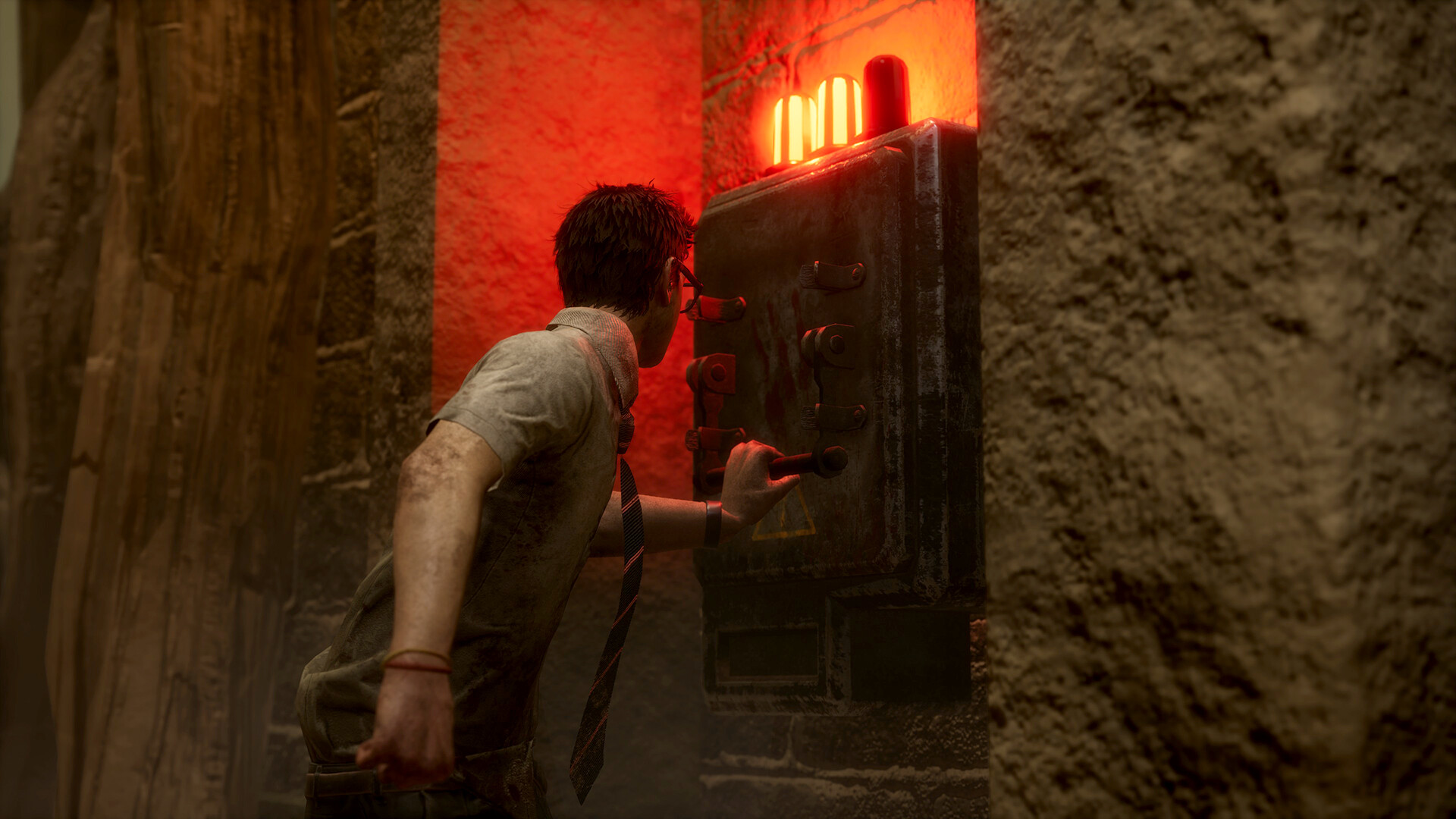
I do not think Dead by Daylight toxicity belongs entirely to killers or survivors. Both sides feed it. One group frustrates another player. That player carries those emotions into another match. Someone completely unrelated gets treated badly. Then they do the same thing to somebody else. It is a cause-and-effect chain that can continue indefinitely if nobody breaks it. And perhaps that is why the Killer vs Survivor war feels endless.
The two sides are not experiencing the same game emotionally, even when they are standing in the same match. A survivor sees a killer refusing to leave them alone. The killer sees the only survivor they can realistically catch. A killer sees four people deliberately humiliating them. Those survivors may simply think they are having fun. Everyone sees their own frustration clearly. Very few people see the frustration they are creating for somebody else.
After around 2,500 hours, that is probably my biggest conclusion about Dead by Daylight. Toxicity in DBD is not just behavior. It is a cycle. And every player has a chance either to continue it or finally let one bad match end when the scoreboard disappears.
A personal perspective after around 2,500 hours, not a claim about every player’s intentions. Dead by Daylight and its game materials belong to Behaviour Interactive. This article is not official or sponsored by Behaviour.